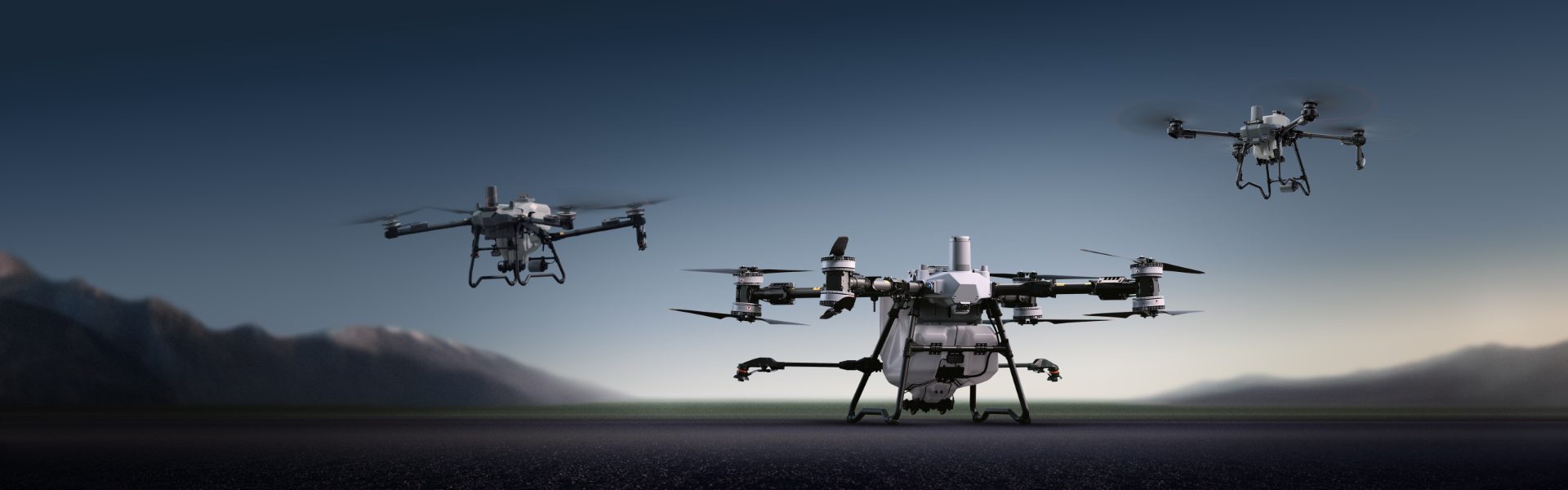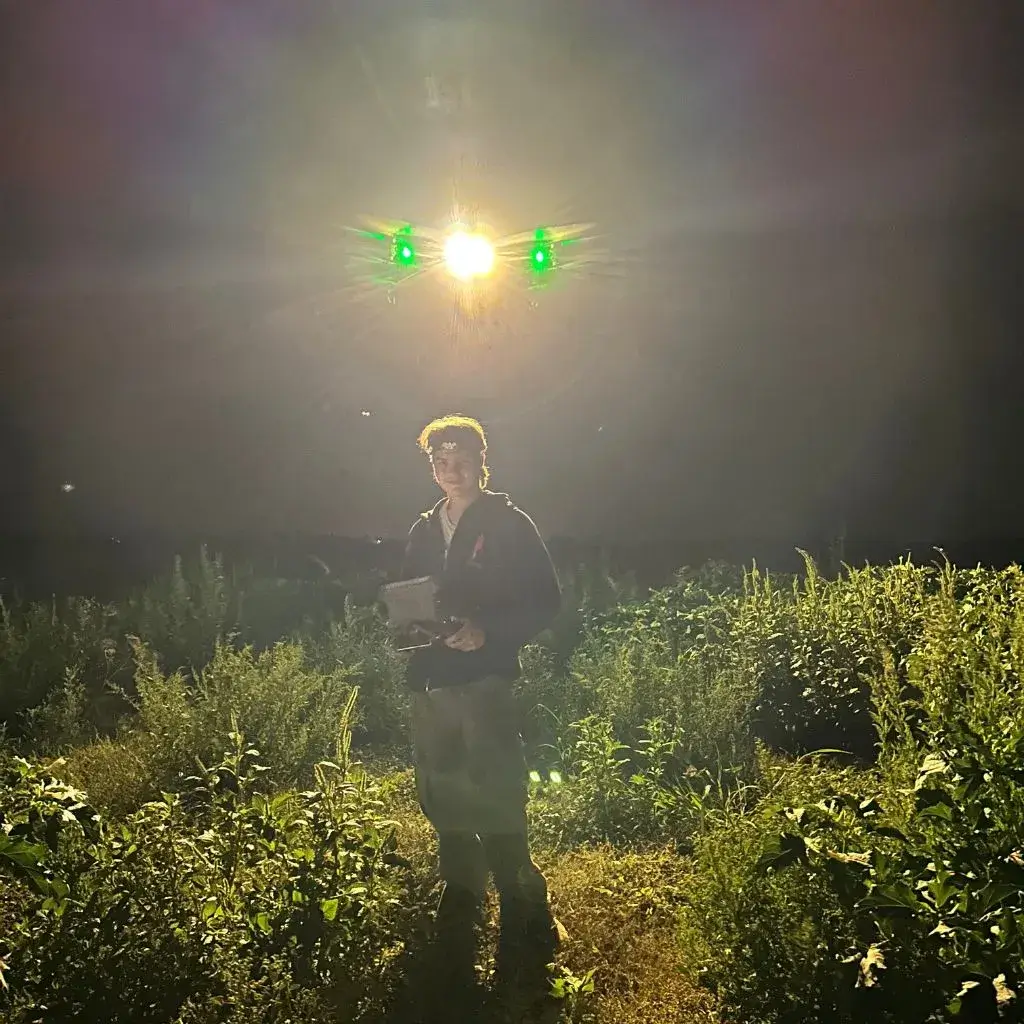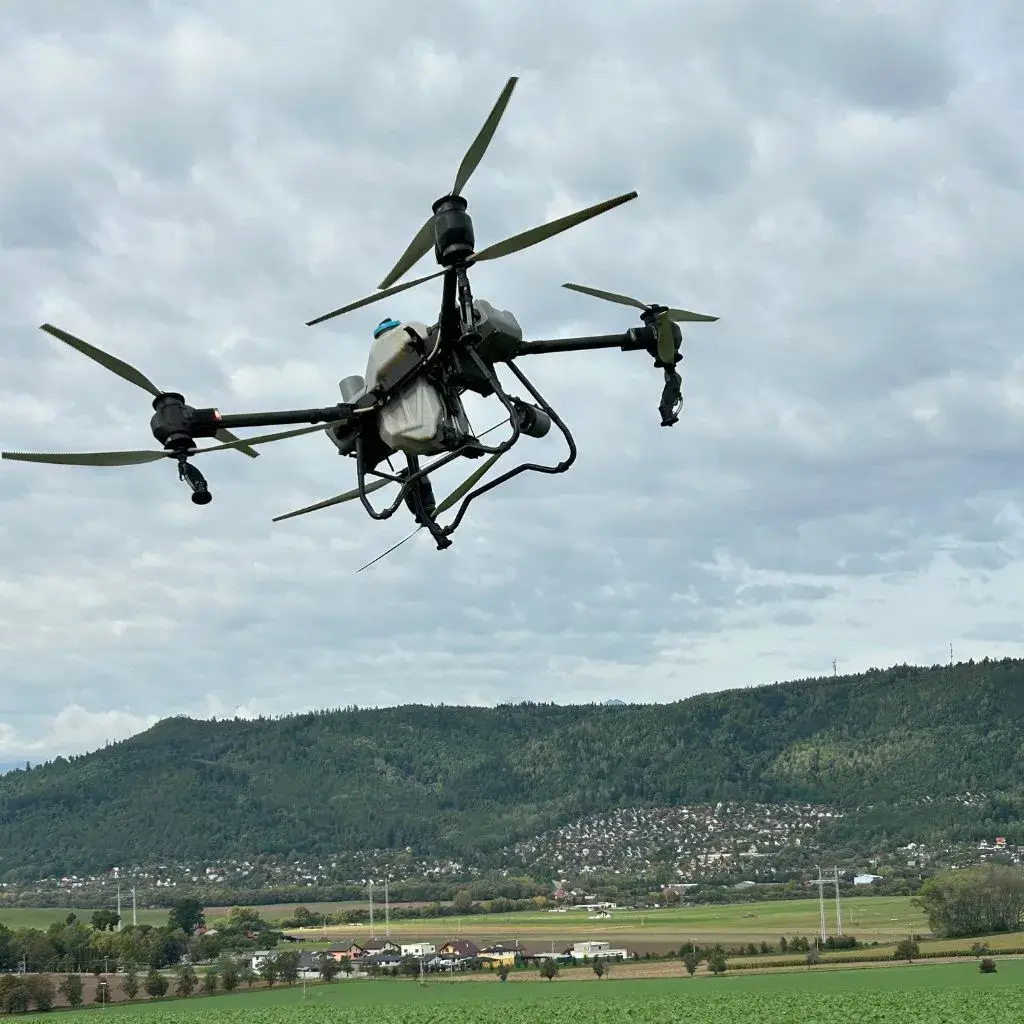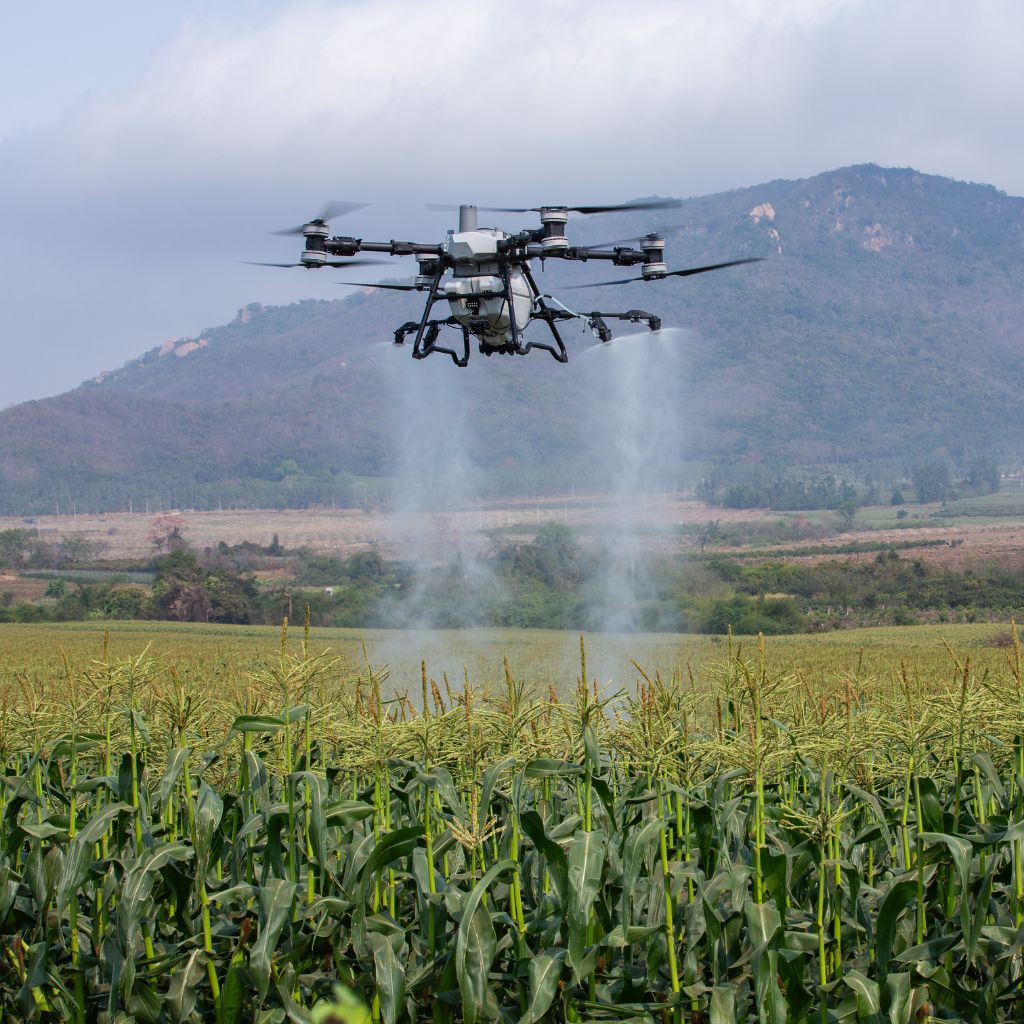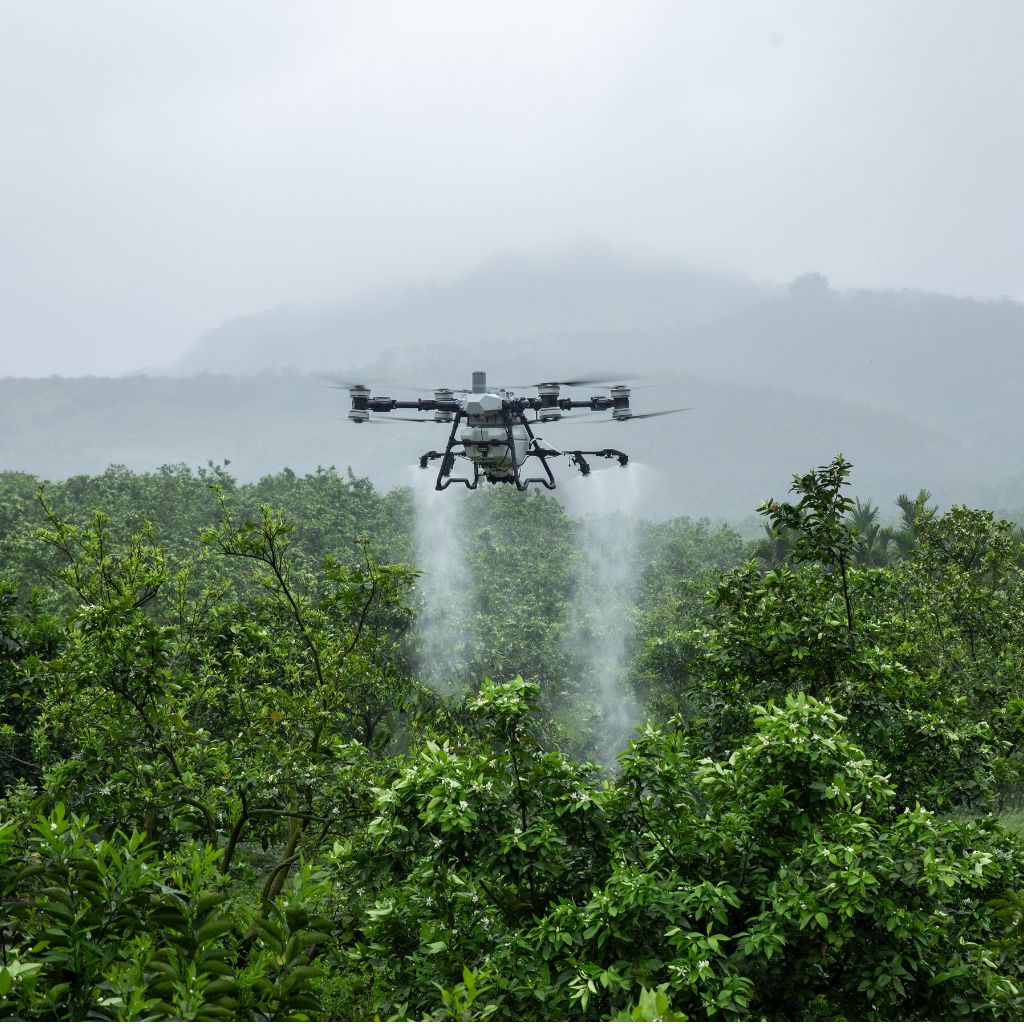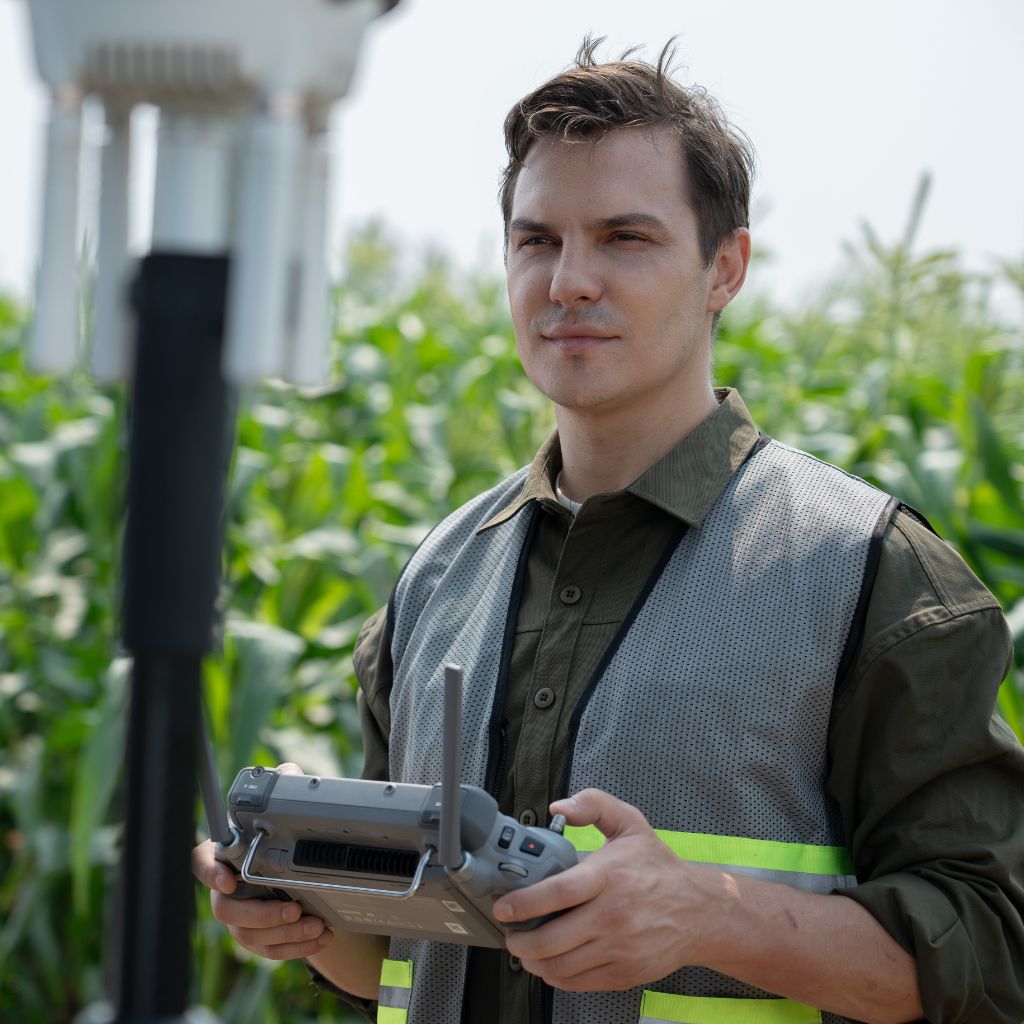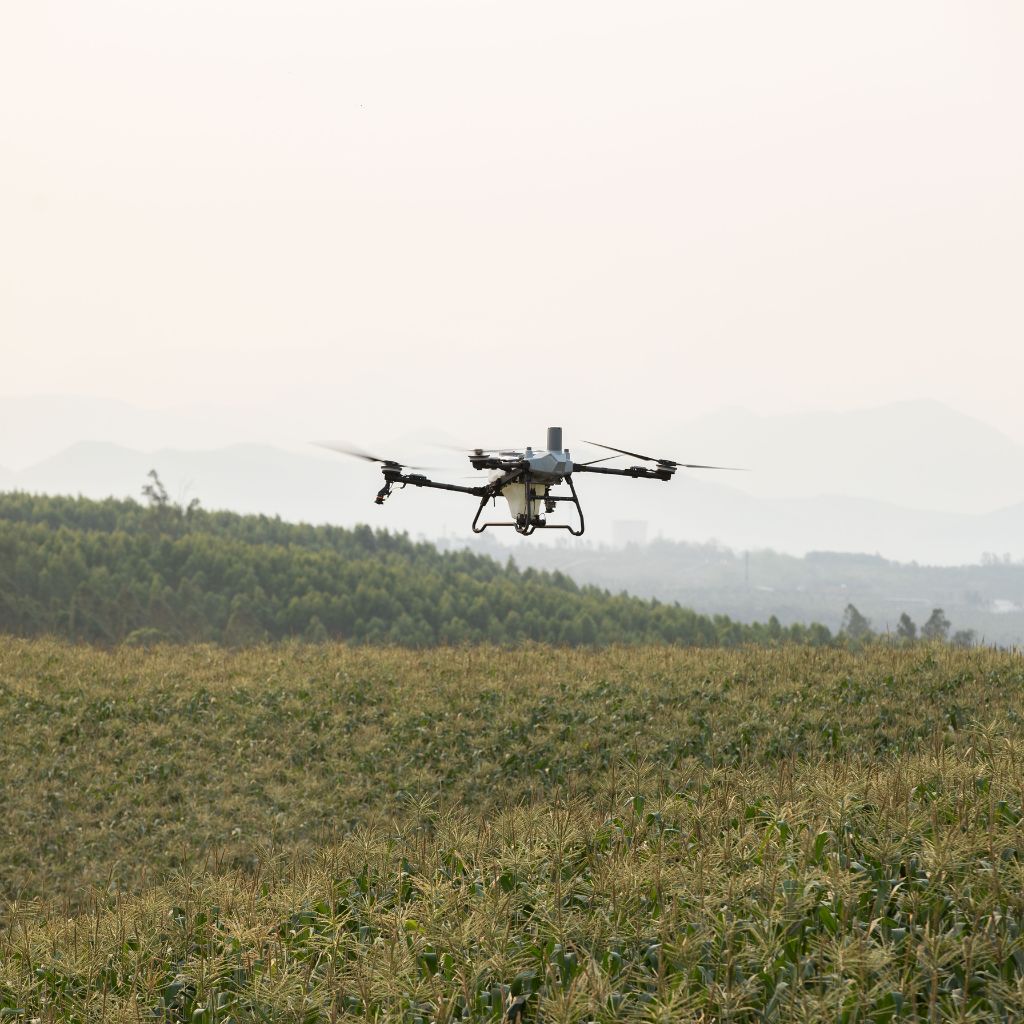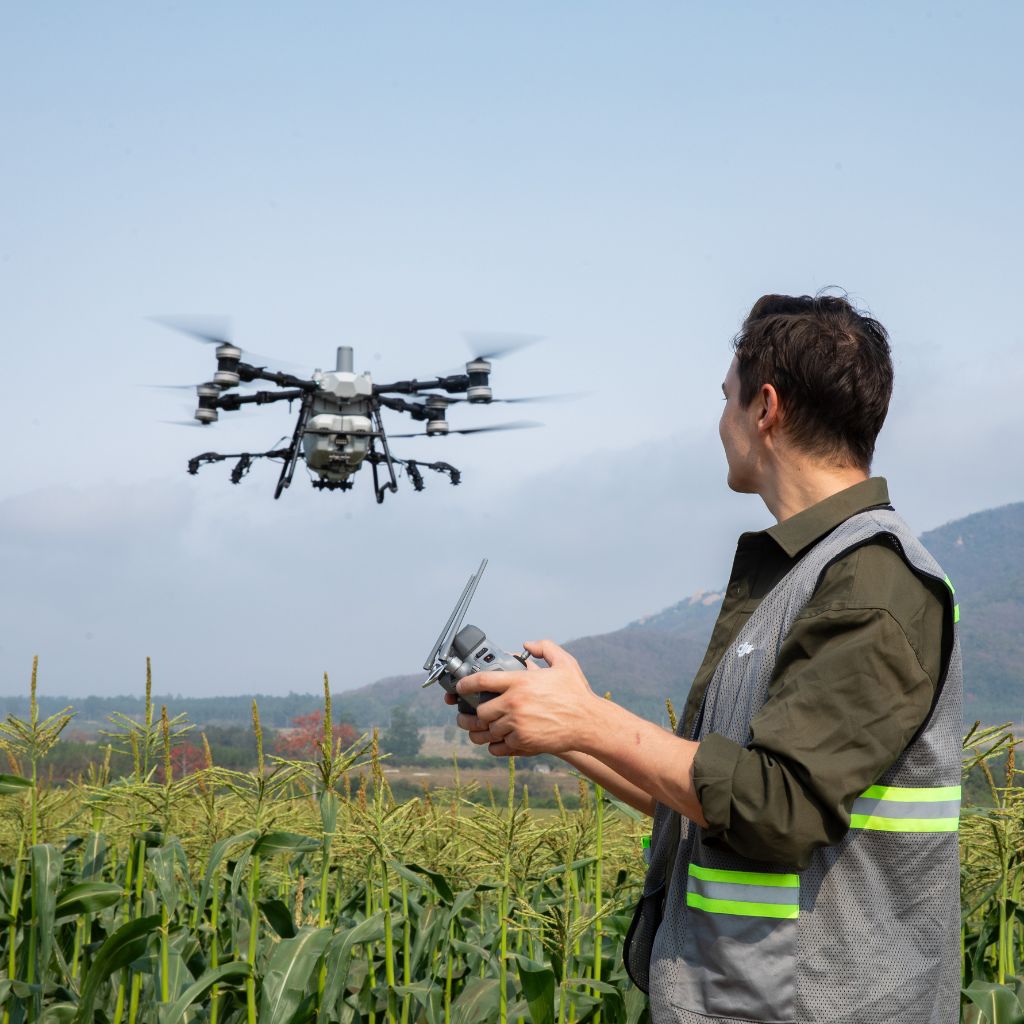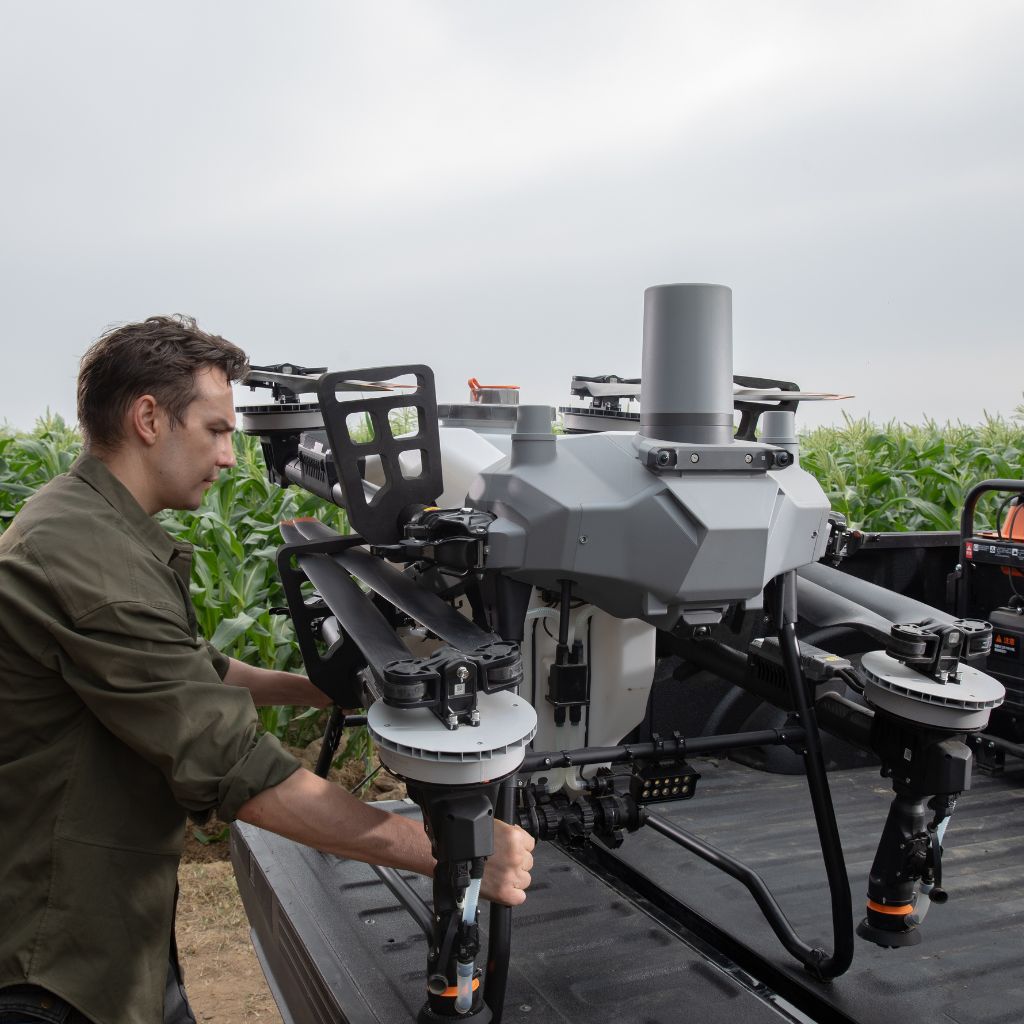

T25P, T50, T55, T70P and T100 drones, batteries, generators, charging stations and genuine parts. Advice, training and servicing.
Go to the shop →
FERTILISER APPLICATION
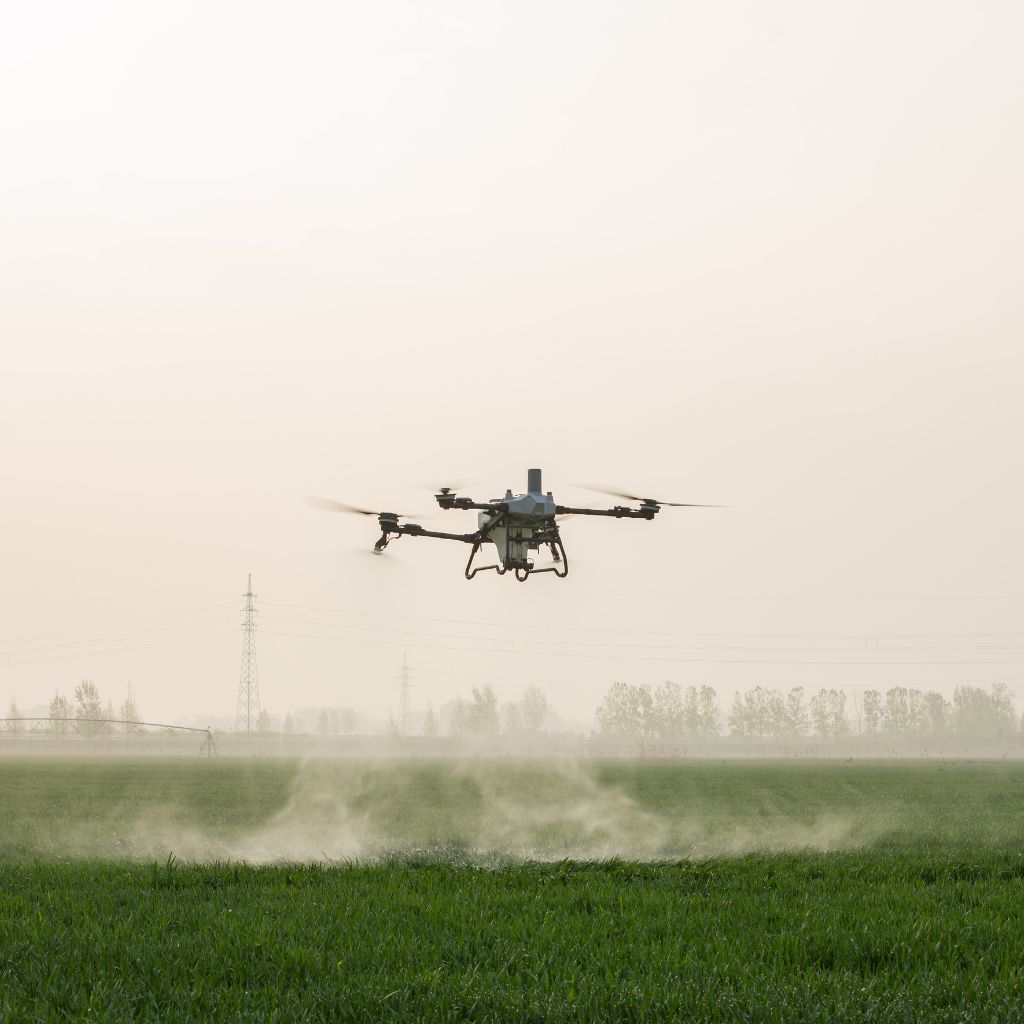
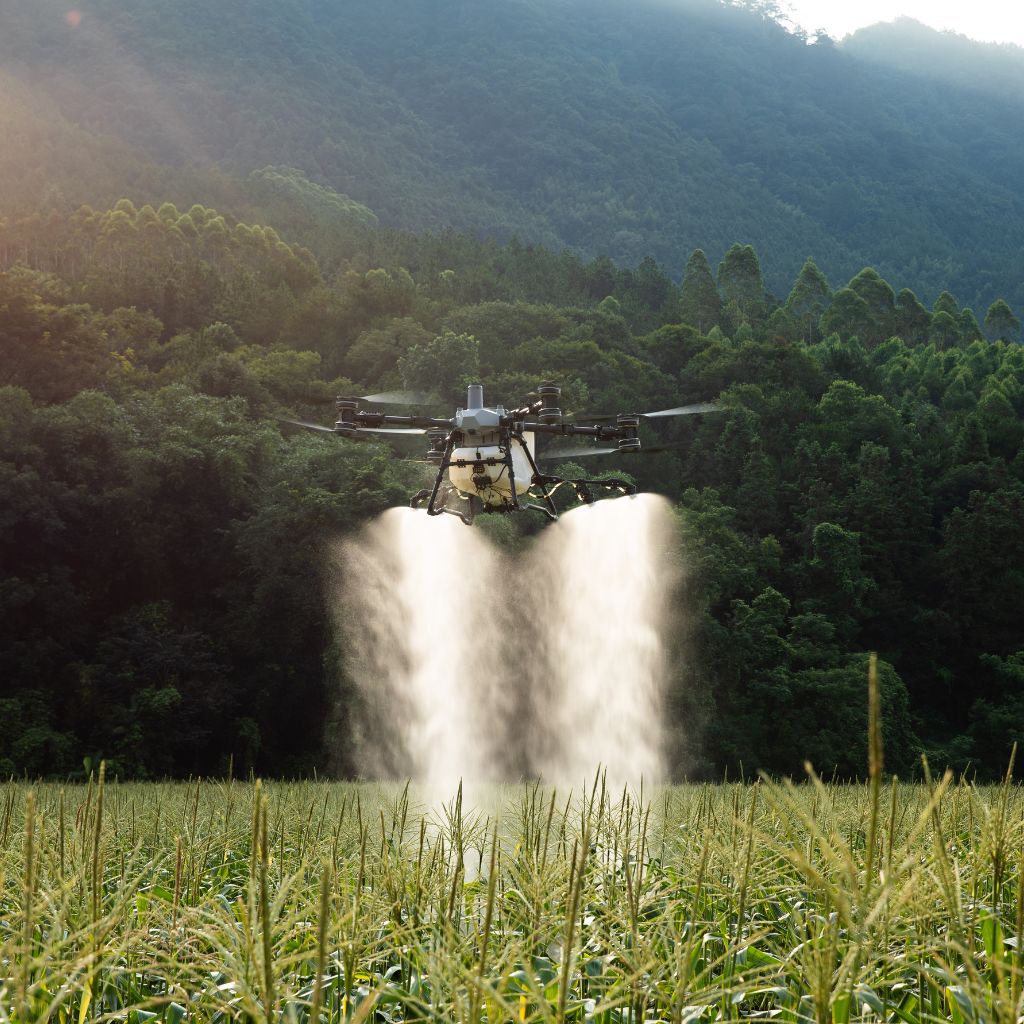
Liquid and granular fertilisers – mineral and organic. Foliar feeding, micronutrients and granule spreading from a drone, with no soil compaction.
Read more
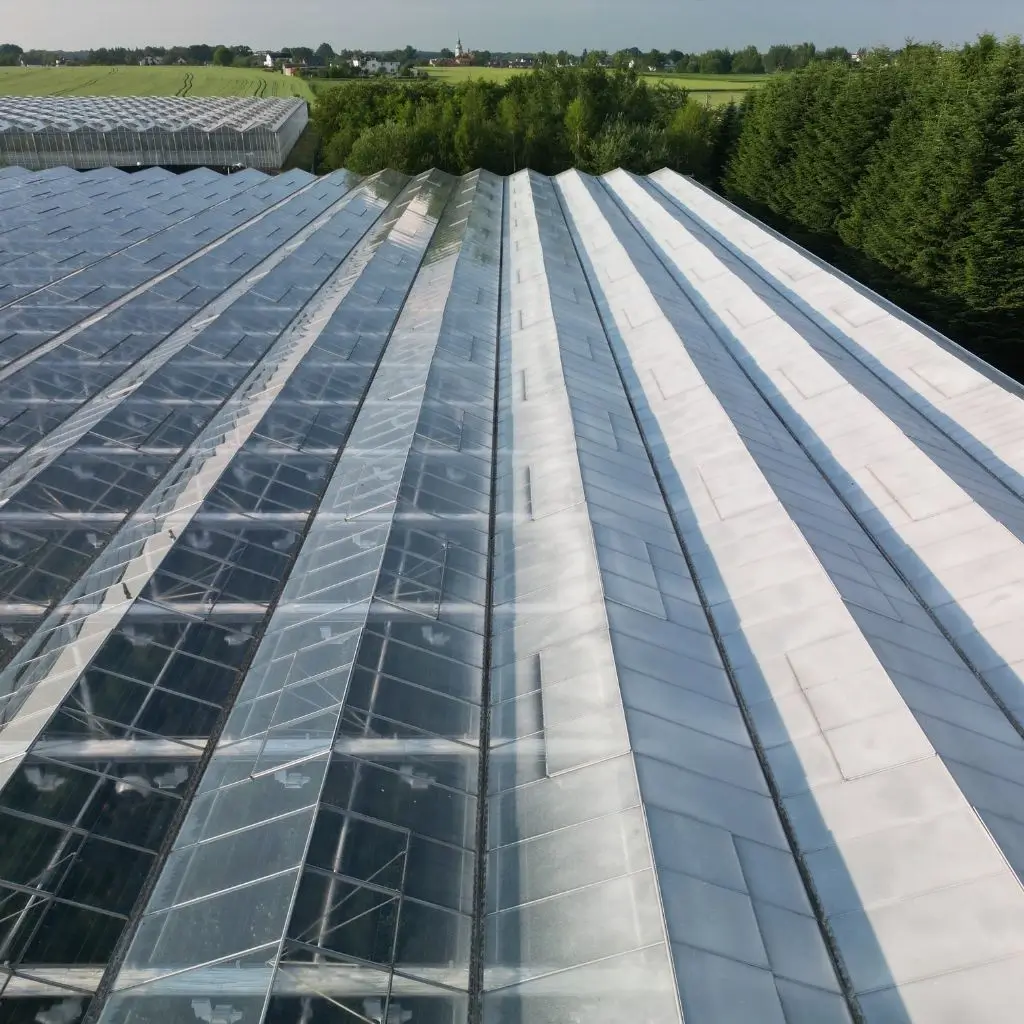
SHADING
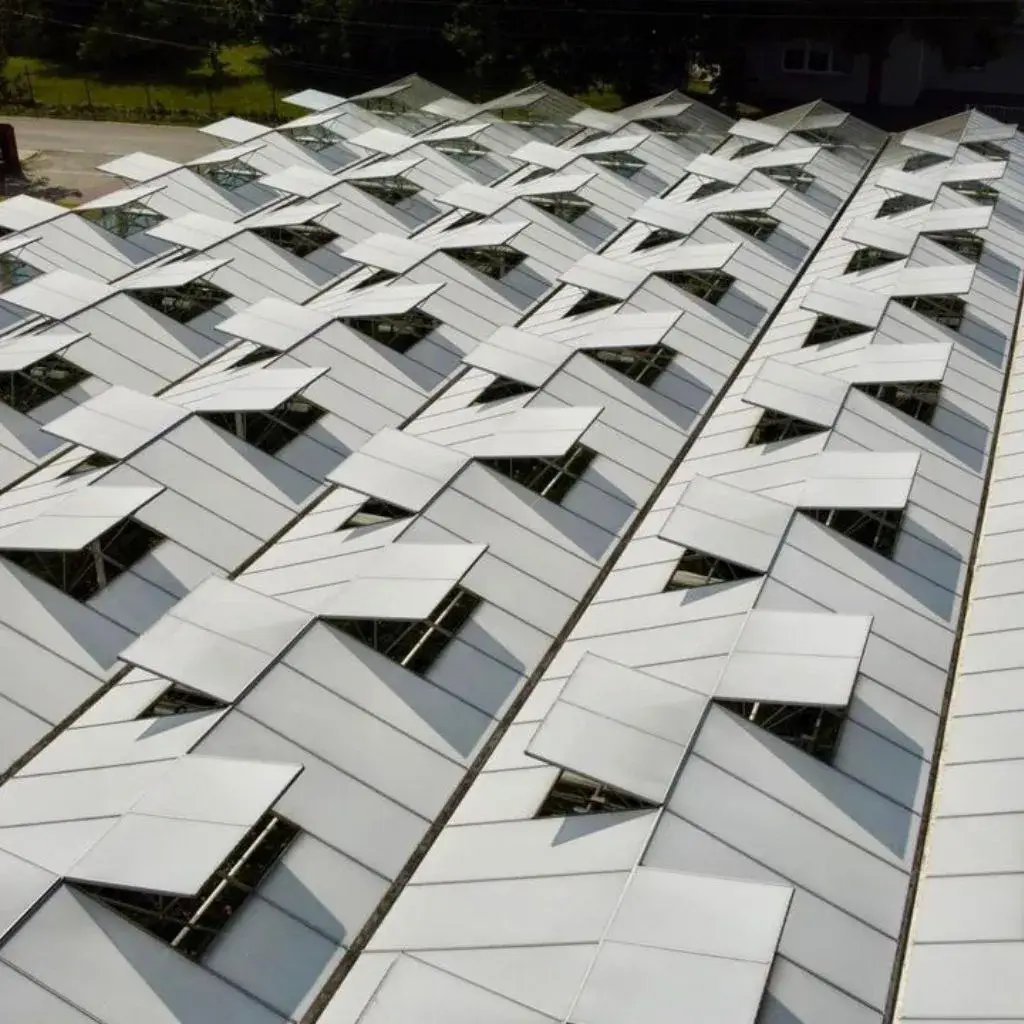
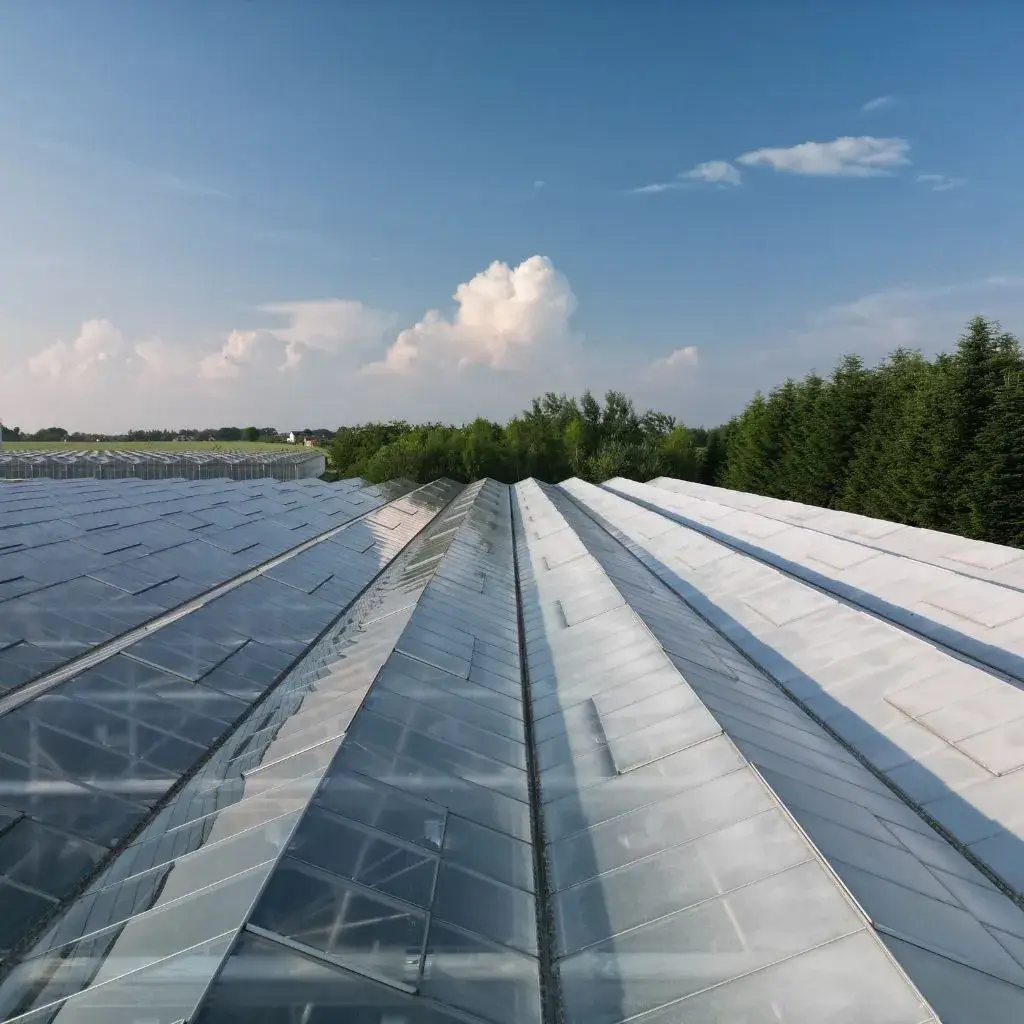
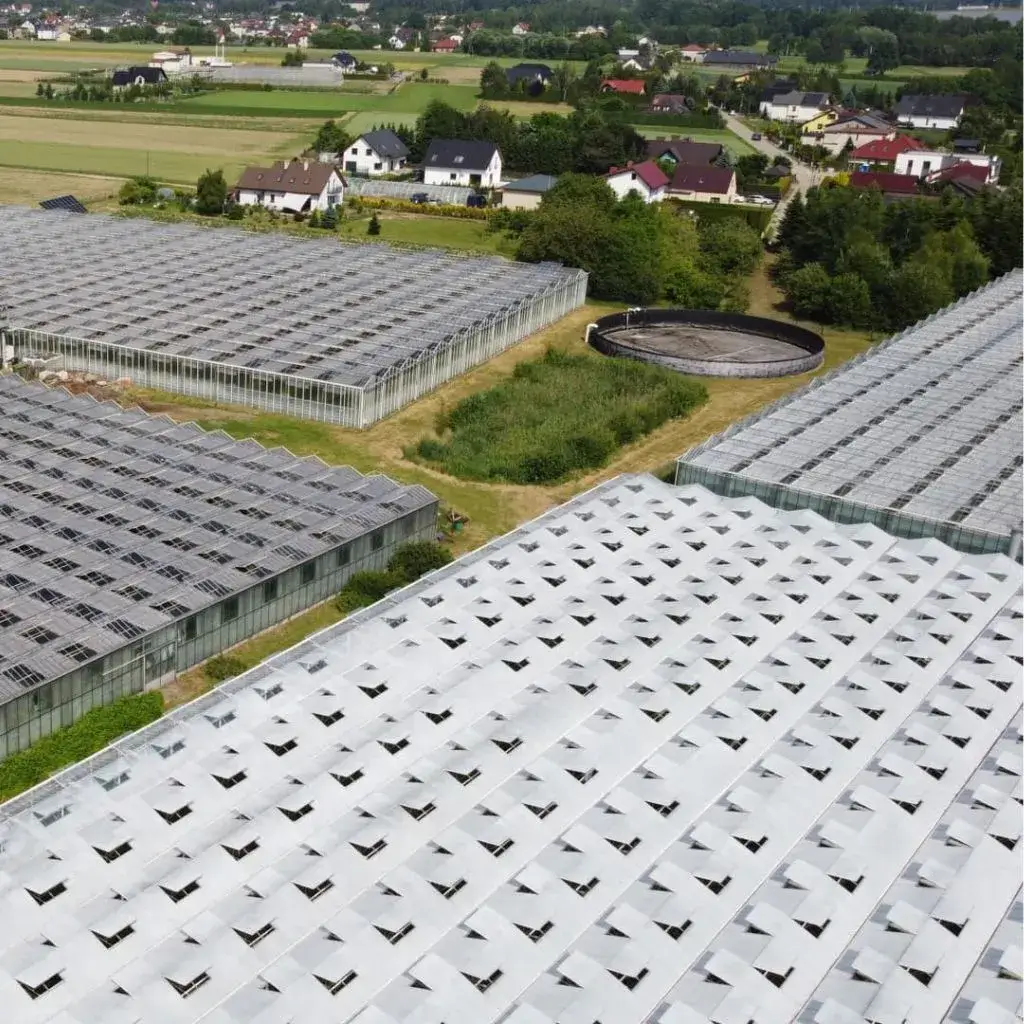
We shade greenhouses to reduce overheating, protect plants from excessive sunlight and improve growing conditions throughout the season.
Read more
TRICHOGRAMMA
Trichogramma wasps released by drone against corn borer in maize. Capsules with Trichogramma, 2 releases 7–14 days apart – no chemicals and no driving into the crop. Suited to integrated pest management (IPM) programmes.
Read more
WILDLIFE DAMAGE
Drones are also excellent for assessing damage caused by wild animals.
Read more
FIELD MAPPING AND NDVI
NDVI, NDRE and other maps from the Mavic 3M drone, field zones and a variable-rate map. Fertiliser and inputs only where they pay off.
Read more
TRAINING
Over 1 million hectares sprayed with drones – the result of our 5 years of experience in Ukraine.
Read more
PROJECTS
Tell us about your idea and we will help you bring it to life!
Read more
INSPECTIONS
We also carry out inspections of high-voltage power lines, wind farms and other places that are hard for people to reach.
WHAT QUALIFICATIONS ARE NEEDED TO FLY AN AGRICULTURAL DRONE?
Requirements are set out in the SACAA RPAS rules, including pilot qualifications and operator authorisation [TO VERIFY]. For spraying, the product label and Act 36 requirements must also be met. We provide instructor-led training on DJI Agras drones and help you work through the formalities.
DRONE PURCHASE
WHICH AGRICULTURAL DRONE SHOULD I CHOOSE FOR A SMALL OR MEDIUM FARM?
For orchards, greenhouses and farms up to about 200 ha – the DJI Agras T25P (20 l tank; about 1.5–2 ha per tank at 10–15 l/ha), which is light and easy to transport. For 200–1000 ha – the T50 or the new T55. For contract services and very large areas – the T70P or T100. We help you match the equipment to the specifics of your farm.
HOW MUCH DOES AN AGRICULTURAL SPRAYING DRONE COST?
Price on request, quoted in ZAR. The price depends on the model and the equipment package. Drones can be supplied on request, together with advice, training and maintenance – contact us for a current quote.
ANALYSIS AND MAPPING
WHAT IS MULTISPECTRAL ANALYSIS AND WHAT IS IT USED FOR?
Multispectral analysis involves photographing a field in wavelengths of light that the human eye cannot see (for example, near-infrared). This makes it possible to detect water stress, plant diseases, nutrient deficiencies and weed infestations before symptoms become visible to the naked eye. The results help you plan fertilisation and crop protection precisely.
CAN A DRONE BE USED TO MAP GAME DAMAGE IN A FIELD?
Yes. A drone with an RGB or multispectral camera produces an orthomosaic of the field that clearly shows the areas damaged by wildlife. You receive a map with the calculated damaged area, a reliable basis for discussions with the hunting club or neighbouring game farm and for assessing the losses.
BIOLOGICAL CONTROL
WHAT DOES TRICHOGRAMMA RELEASE BY DRONE INVOLVE?
Trichogramma is a microscopic parasitic wasp used for biological control of moth pests such as stem borers, which can seriously damage crops like maize and canola. The drone accurately distributes capsules containing Trichogramma eggs across the entire field, replacing the traditional, labour-intensive method of releasing them by hand. The method is environmentally friendly and does not require chemical pesticides.
GREENHOUSE SHADING
WHAT DOES THE DRONE GREENHOUSE SHADING SERVICE INVOLVE?
Greenhouse shading means applying a special shading coating to the roof of a greenhouse or polytunnel to reduce excessive sunlight. The drone applies the product evenly across the entire structure, faster, more safely and more accurately than traditional methods that rely on scaffolding.
WHEN IS IT WORTH SHADING A GREENHOUSE?
Shading is recommended mainly in spring and summer, when intense solar radiation causes plants to overheat, leaves to scorch and yields to drop. Proper shading helps maintain the optimal temperature and humidity inside the structure.
WHICH PLANTS NEED GREENHOUSE SHADING?
Shading is especially important when growing tomatoes, cucumbers, peppers, lettuce and ornamental plants. Too much direct sunlight causes these crops heat stress, stunted growth and lower-quality produce.
IS THE SHADING COATING WASHABLE AT THE END OF THE SEASON?
Yes. The shading products used by Agrodron are washable. At the end of the season they can be removed with pressurised water, restoring full light transmission for the cooler months.
HOW LONG DOES IT TAKE TO APPLY A SHADING COATING BY DRONE?
The time depends on the size of the structure. A drone can cover several thousand square metres in a single working day. For large greenhouse complexes we carry out multi-day jobs, always with minimal disruption to operations on site.
IS THE SHADING PRODUCT SAFE FOR PLANTS AND PEOPLE?
Yes. The products we use are tested, biodegradable and safe for crops, workers and the environment. They come with the documentation required for use in horticultural production. If you grow organically, please ask us for the product details so we can confirm suitability for your system.
IS DRONE SHADING SUITABLE FOR POLYTUNNELS?
Yes. We shade glass greenhouses as well as polytunnels and other nursery structures. A drone works particularly well on large structures or roofs that are difficult to reach, where working from scaffolding would be time-consuming and costly.
HOW EVENLY DOES A DRONE APPLY THE COATING COMPARED WITH THE MANUAL METHOD?
The drone applies the product at a precisely controlled rate and speed, which ensures uniform coverage of the entire surface. This removes the risk of missed patches or uneven shading, a common problem with manual application or high-pressure sprayers.
TECHNICAL INSPECTIONS
WHAT TECHNICAL INSPECTIONS CAN A DRONE BE USED FOR?
Drones are well suited to inspecting high-voltage power lines, wind farms, solar panels, industrial roofs, bridges and other structures that are hard for people to access. A thermal imaging camera can detect faults that are invisible to the naked eye.
DOES A DRONE INSPECTION REPLACE A TRADITIONAL TECHNICAL INSPECTION?
Drone inspection is an excellent complement to routine technical inspections. It lets you quickly and safely survey the condition of a structure, pinpoint areas that need attention and cut the time people spend working at height. The inspection report includes photos and video documenting the technical condition.
IS DRONE INSPECTION CHEAPER THAN TRADITIONAL METHODS?
In most cases, yes. Doing away with scaffolding, cherry pickers and work at height significantly lowers costs and shortens inspection time. It also minimises the risk of accidents and downtime at the site.
SEEDING AND SPREADING BY DRONE
CAN A DRONE BE USED TO SOW SEED?
Yes. Agricultural drones fitted with a spreader system can sow grass seed, canola, small grains and cover crops. They work especially well on waterlogged, steep or otherwise hard-to-reach land where a tractor cannot go.
WHAT ARE THE ADVANTAGES OF DRONE SOWING COMPARED WITH A CONVENTIONAL SEED DRILL?
A drone reaches places machines cannot, does not compact the soil and can sow a field even in difficult terrain. Precise application reduces seed use and covers the whole area evenly, including field edges and corners.
GENERAL ENQUIRIES
WHICH CROPS ARE AGRICULTURAL DRONES SUITED TO?
Agricultural drones are used on small grains, canola, maize, sugar cane, potatoes, vegetables, orchards and many other crops. They work well wherever precision, speed and less human contact with chemicals matter
WHICH PROVINCES OF SOUTH AFRICA DOES AGRODRON OPERATE IN?
Agrodron provides services in South Africa. Contact us to agree a date and the terms of the job for your location. We also operate internationally.
HOW DOES PRECISION FARMING DIFFER FROM CONVENTIONAL FARMING?
Precision farming is built on data: measurements, maps, analysis and technologies such as GPS, drones and IoT sensors. This means fertiliser, crop protection products and water are applied exactly where they are needed, in the right amount. The result is lower production costs, less impact on the environment and higher yields.
ARE AGRICULTURAL DRONE SERVICES LEGAL IN SOUTH AFRICA?
Yes, provided they are carried out in line with the rules. Drone operations must comply with SACAA RPAS requirements, with a qualified, trained pilot. Crop protection products are applied in line with the product label (Act 36 registration), with care taken to protect people, bees and water sources. Fertiliser application and other operations are carried out under the applicable regulations. We confirm the requirements for your specific job when you enquire. [TO VERIFY]